engine maintenance intervals and maintenance methods for each model to prolong engine life
09/26/2024
Beginner’s Truck Buying Advice Guide —Teaches You to Buy the Truck You Want
11/29/2024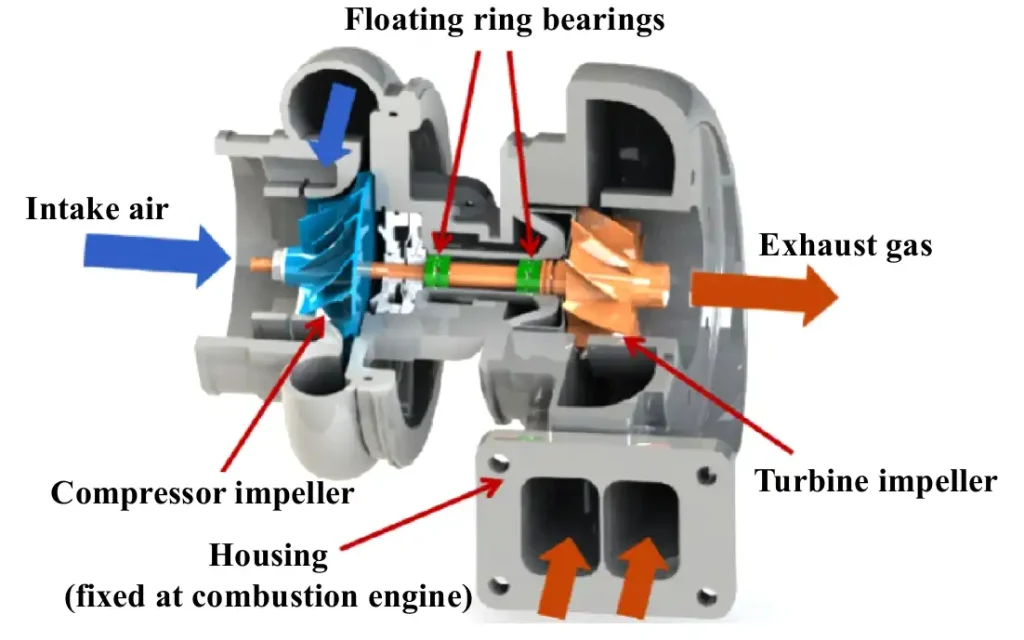
1. Holset Turbochargers
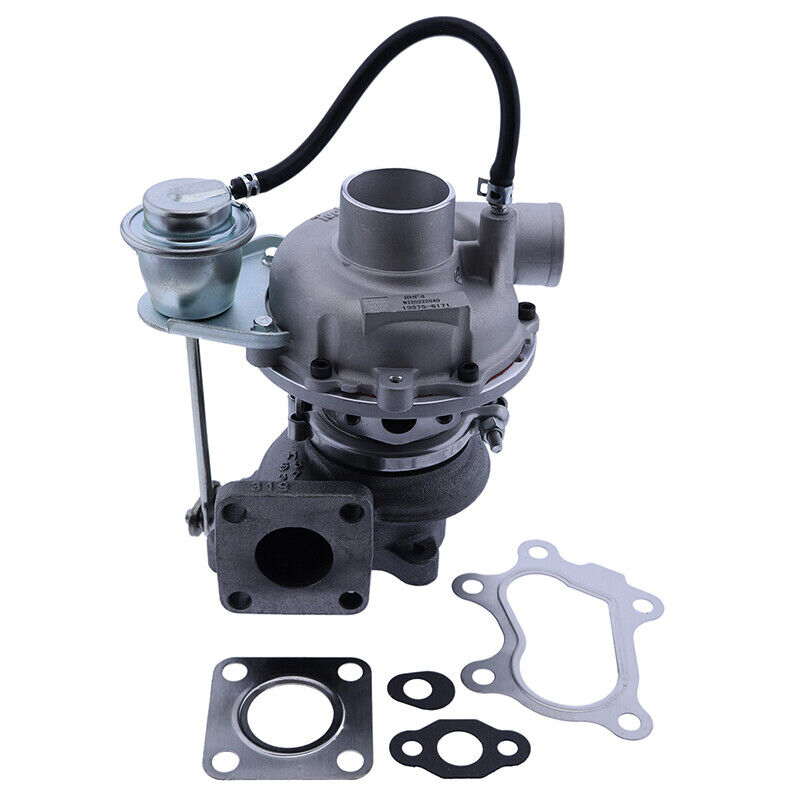
For more than 60 years, Holset turbochargers, designed and manufactured by Cummins Turbo Technologies, have set the standard for turbocharging technology and design in the medium- and heavy-duty diesel engine market. With the introduction of the Holset 200 Series, the Holset turbocharger lineup achieves full coverage of light-duty, medium-duty and heavy-duty engines.
2. What Makes a Holset Turbocharger?
Cummins Turbo Technologies works with the world’s major OEMs to provide solutions for a variety of vehicles and applications. Relying on long-term relationships with OEM customers and as a member of the Cummins Group, Cummins Turbocharger Technology has developed a wealth of expertise in engine systems.
This commercial success means that Holset superchargers have become critical components for a wide range of applications. Our dedicated engineering team leads a complex design process that utilizes rigorous testing and analysis to ensure the highest standards of product quality, safety and performance.
3. Why choose a turbocharger?
An engine generates mechanical energy by burning a mixture of oil and gas, which drives the piston to reciprocate and turn the wheels. The greater the mechanical energy, the greater the power generated by the engine.
The significant difference between a supercharged diesel engine and a conventional natural air intake diesel engine is that the air delivered to the diesel engine is compressed before fuel is injected. This is where a turbocharger is critical to power output and diesel engine efficiency. The turbocharger works by compressing more air into the engine cylinders. When air is compressed, the oxygen molecules are more tightly arranged. This boost means that more fuel can be injected into a natural intake engine of the same size. This will produce higher mechanical power and improve the overall efficiency of the combustion process. As a result, the size of a turbocharged engine can be reduced, making it easier to package, providing weight reduction benefits and overall improved fuel economy, as well as lower emissions.
Although turbocharging is a relatively simple concept, turbochargers are critical to the operation of diesel engines. This requires highly engineered components. Our extensive experience in supercharging technology combined with our engine knowledge has resulted in the design and production of the world-class Holset superchargers, which offer superior durability, safety and reliability to meet the needs of the engine.
4. How does a turbocharger work?
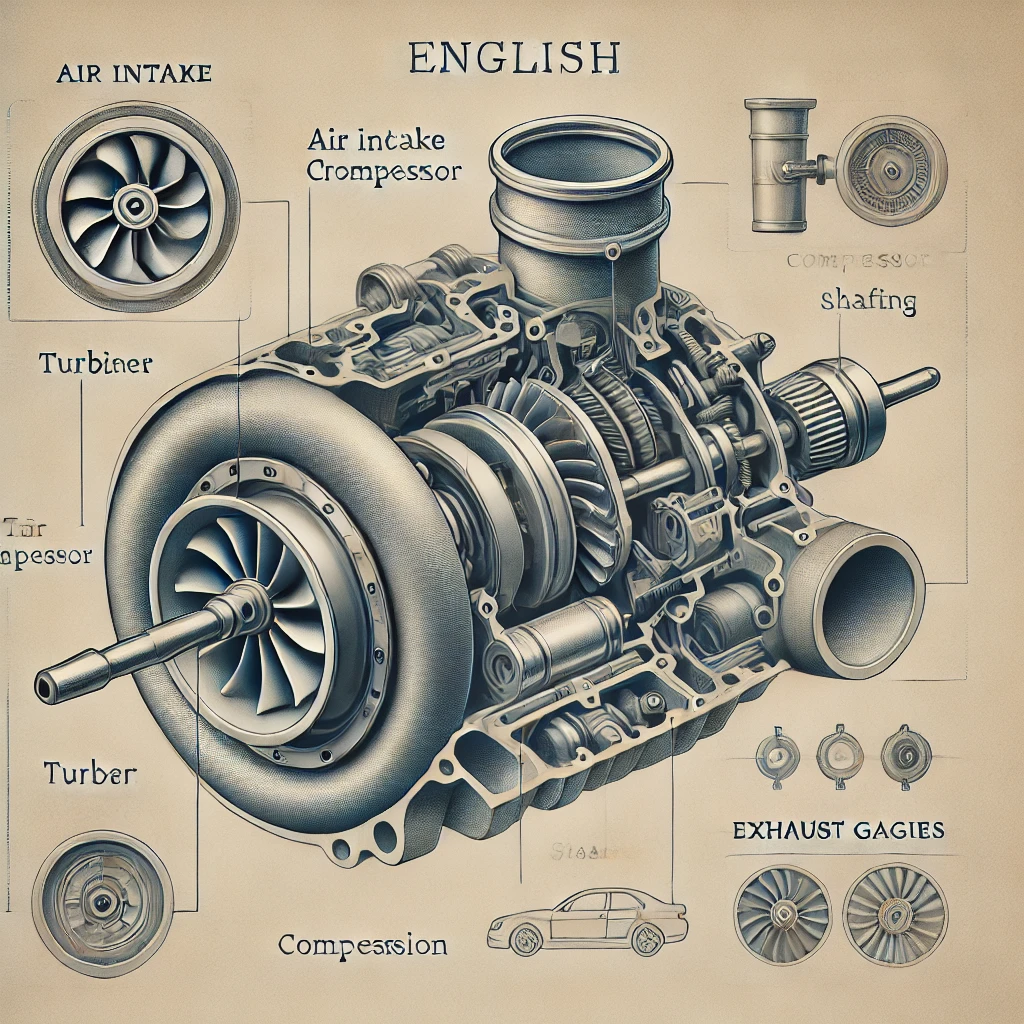
A turbocharger consists of two main components: the turbine end and the compressor end. The turbine side consists of the turbine impeller and the turbine housing! The turbine end consists of the turbine impeller and the turbine housing! The turbine housing directs the exhaust gases into the turbine impeller, which is driven by the exhaust gases and finally discharged out of the turbine housing through the exhaust outlet.
turbine housing.
The compressor side also consists of two main parts: the compressor impeller and the compressor housing. The compressor works in the opposite way to the turbine end. The compressor impeller is connected to the turbine by means of a forged steel shaft. When the compressor impeller rotates, it sucks in and compresses air at high speed. The compressor converts the high speed, low pressure air into high pressure, low speed air by expanding the pressure. The compressed air is pressed into the engine, causing the engine to burn more fuel and thus produce more power.
5. What is a by pass valve supercharger?
Bypass valve superchargers provide a simple yet effective method of controlling supercharger speed and boost pressure, improving low speed engine performance.
The volute size must be properly sized to prevent the supercharger speed from exceeding the recommended maximum speed. This means that the boost pressure at low engine speeds will be lower than we would expect. With a smaller selected volute, higher boost pressure can be obtained from the pressure end regardless of engine operating conditions. The problem, however, is that as the engine speed increases the supercharger speed will exceed the maximum allowable speed limit, resulting in severe supercharger failure or both supercharger and engine failure.
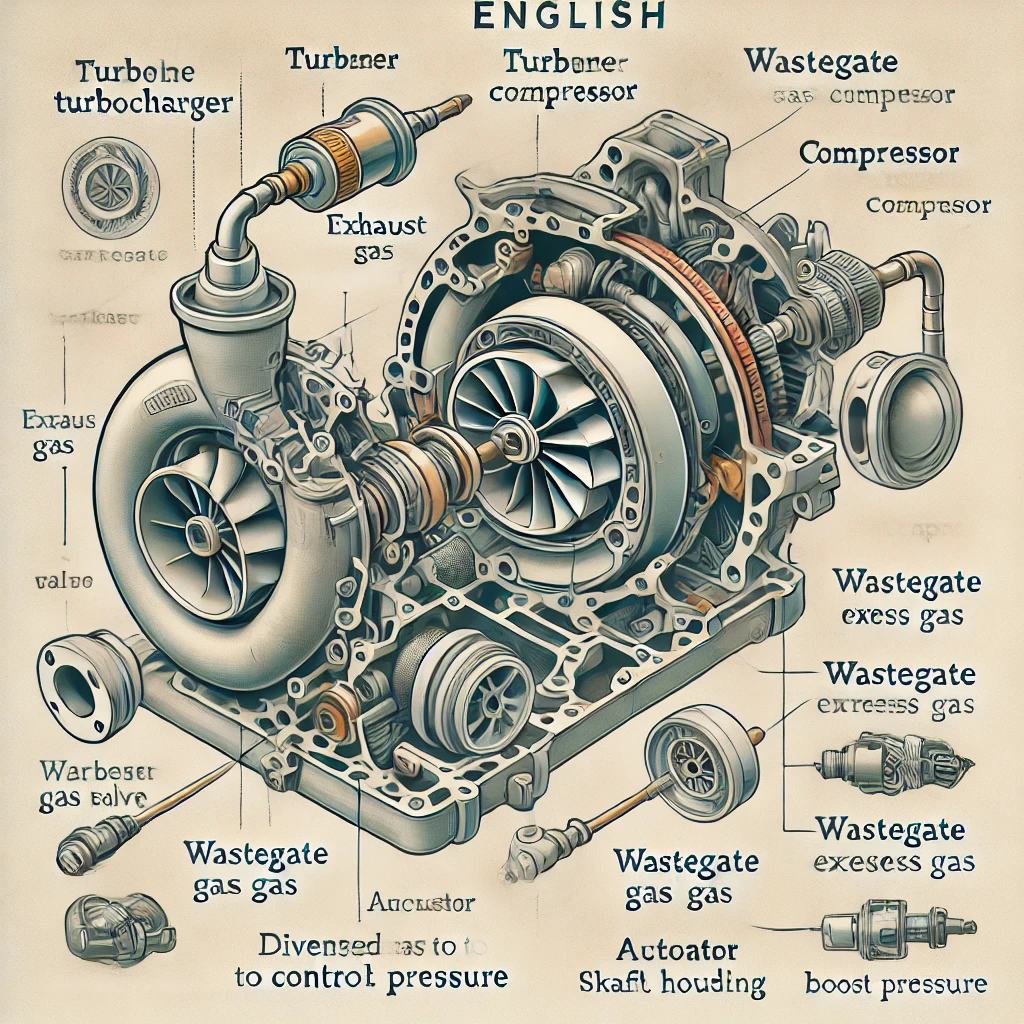
The bypass valve supercharger, by choosing a small volute to obtain higher boost pressure at low engine speeds, controls the supercharger speed within a safe range by using a bypass valve to discharge some of the engine exhaust gases directly without passing through the turbo.
How does it work?
When the boost pressure reaches the preset pressure value after the bypass valve opens, the bypass valve opens and discharges part of the engine exhaust gases directly. This controls the turbine speed and allows the supercharger to deliver higher pressure even at low engine speeds.
6. What is a variable cross section supercharger?
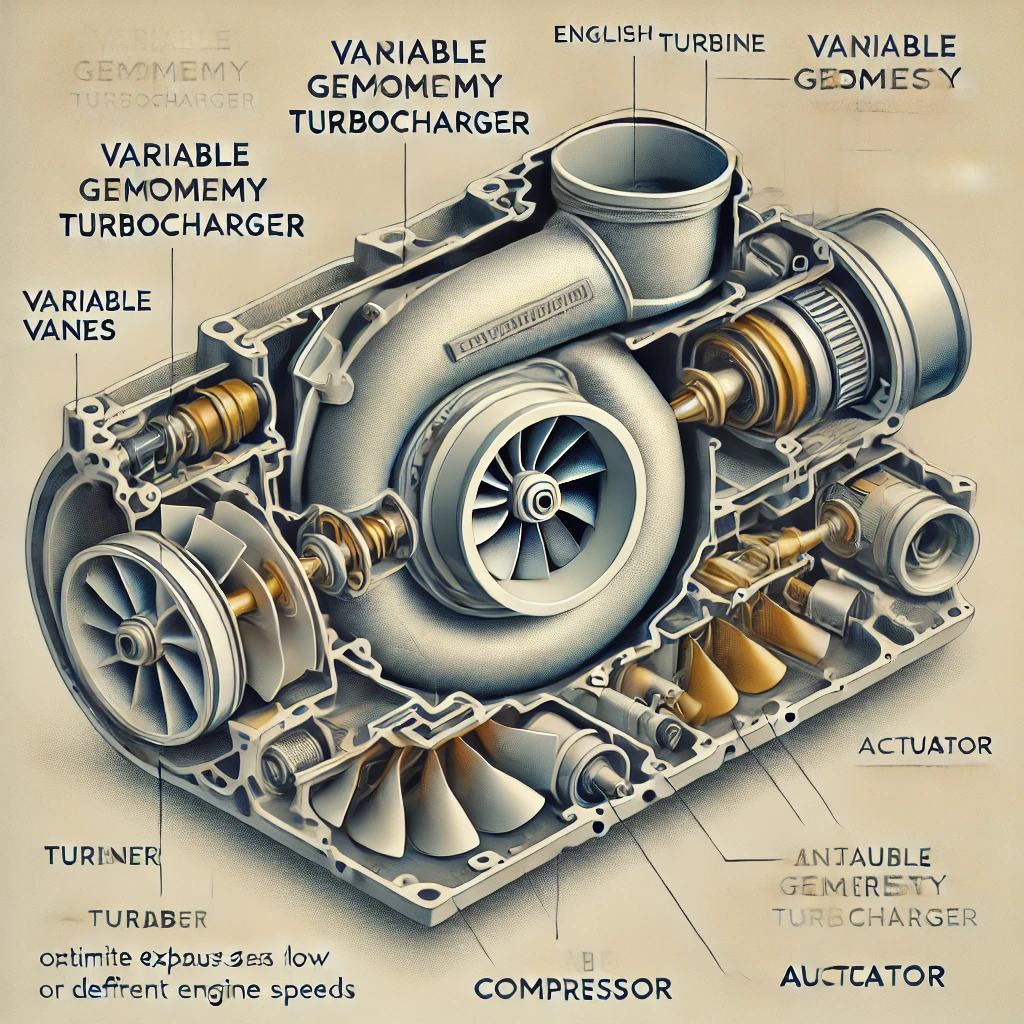
The key to supercharging is to widen the boost range as much as possible within the engine’s RPM range and maximize boost pressure. Variable cross section supercharger technology allows the supercharger to deliver sufficient power under different engine operating conditions. Variable cross-section supercharging controls boost pressure by adjusting the position of the guide vanes to change the nozzle flow area and thus control the amount of exhaust gas passing through the turbine housing.
While conventional designs hinge the vanes on a shaft to change the nozzle flow area, Holset’s Variable Cross Section Boost technology goes beyond the traditional rotating vanes to provide the most efficient and reliable way to control the amount of exhaust gas that passes through the turbine housing. technology leaves behind the traditional rotary blade design and takes a different approach by utilizing axially sliding blades, a design that offers high service life and reliability and is better suited for today’s commercial diesel vehicle applications. In fact, Cummins Turbo! s Holset variable cross-section supercharger technology was the first successful use of variable cross-section technology in a commercial application, and we continue to be the only manufacturer to offer variable sliding nozzle technology.